

A great opportunity
In May, Cuisine Centre held a day of presentations that brought NHS hospitals and trusts together with potential suppliers.
As part of that day, John Harvey and Greg Harrison delivered a pitch to 17 hospitals and trusts.
To ensure they delivered something that was difficult to ignore, they enlisted the help of Peter Whent to help create an engaging story.
The script they used on the day is below. You’ll recognise lots of principles and techniques from The Million Pound Story at work here. In particular:
- The first half of the whole talk was given over to “why we do this”. We wanted all of the audience to be nodding and saying to themselves “These guys are describing me”.
- We didn’t mention the product until well into the second half of the talk.
- Notice how easy is to create a great story. We had two props: a hospital meal and a patient. That’s plenty!
- Once we’ve established the pain and frustration we explained how our solution works and rolled out lots of authority statements and social proof to back it up.
The day was a huge success. This is what John Harvey said about the process of creating a story-based approach, how it went on the day, and what has happened since:
Just wanted to feedback on the NHS event yesterday that Peter Whent helped to support in developing the script/ story.
We delivered 17 pitches on the day, all using the same story. The story approach definitely engaged and hooked customers. You could see them actually listening to what we said!
So far, the day has led to dialogue and bids with two NHS Hospitals where the initial business is worth about £1.4 million. We‘ve also started using “Patient Edith” to tell our story in other places. Now that we’ve seen the power of storytelling, we’re re-developing all of the Cuisine Centre promotional materials. Peter's support was invaluable and made all the difference.
John harvey
National Account Manager, Cuisine Centre
Download the pitch as a Word document
The Story that converted
This is the verbatim text of the pitch that was delivered
Good morning. I’d like to start today with a story.
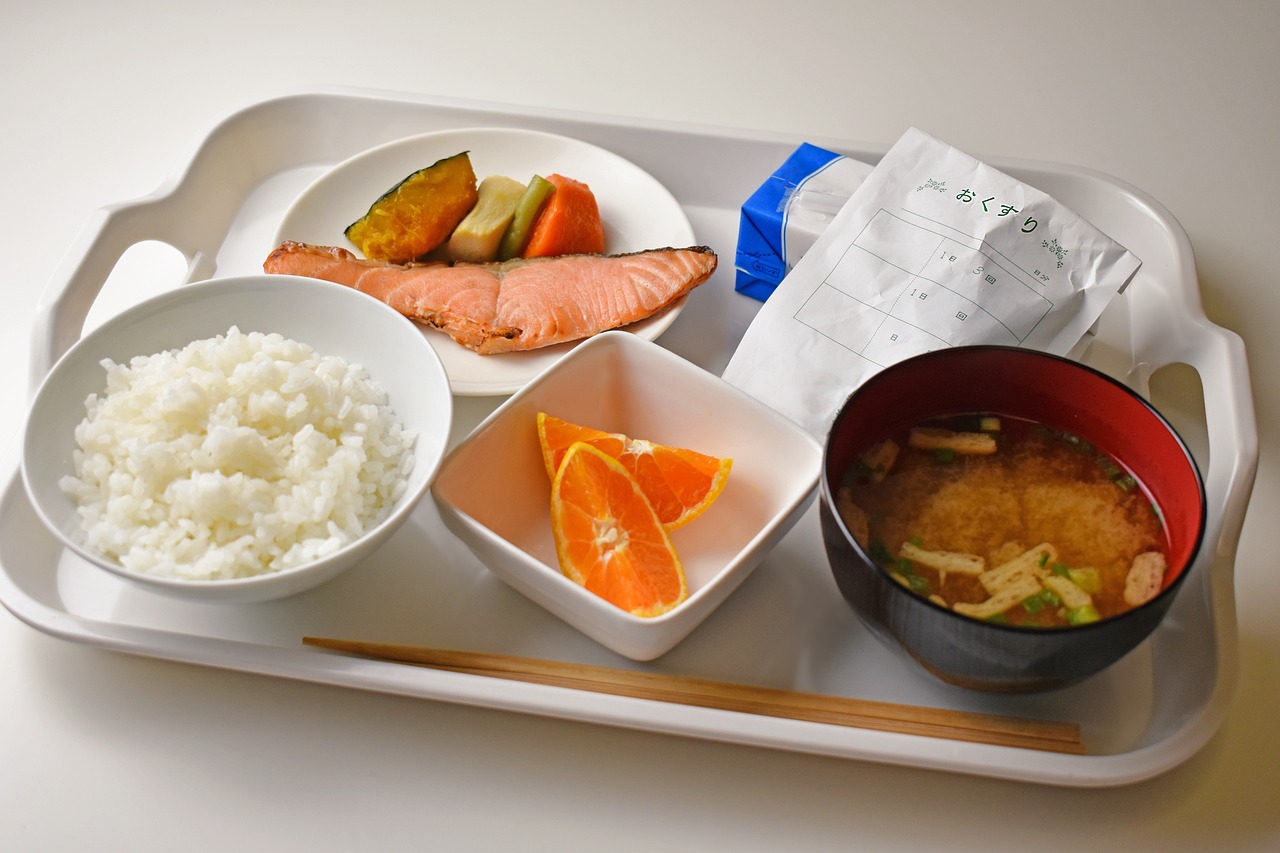
It’s a story that opens at 6.00 o clock in the morning in the kitchen of a large NHS hospital and it’s a story about a meal.
The opening scene is a team of chefs working with pots and pans, and hobs and ovens, working hard to create high quality food. And the result of their work is our meal.
Later that morning, at about 11.00 o’clock when everything is ready, the meal is put in a food service trolley together with all the other meals to be served in the hospital that lunchtime, and the trolley sets off on its journey around the wards.
On Nightingale Ward is a lady called Edith. Edith is 78 and is recovering from surgery. Today is the first day she’s got her appetite back and she’s looking forward to lunch.
Nightingale is the furthest ward from the kitchen which means the food trolley doesn’t arrive until about 12.30. As the team make their way round the ward, Edith overhears that today’s choices are Chicken or Vegetarian. She perks up. Chicken is one of her favourites. But by the time the trolley reaches her, there is no chicken left. It’s vegetarian or nothing.
It's not the end of the world. The choice is macaroni cheese, and she likes that too, right up to the point where the meal is presented to her only to find that her food is luke warm and congealed.
[PAUSE FOR A FEW SECONDS AND LOOK AT THEM. LET A BIT OF TENSION BUILD].
It’s not an unusual story. And it’s not quite over. I want to introduce you to one more character. I’d like you to meet the Hero of our story. It’s you. Because you are the ones who can change this.
I’m John Harvey National Accounts Manager and I’d like you to meet Greg Harrison , Managing Director and together we’re going to introduce you to Cuisine Centre and Steamplicity.
Before we do I want to talk a bit about you, The Hero of our story.
You live in a very complicated world. You have the huge job of keeping a hospital running, and food is just one of the issues on your plate, but it’s one that brings its own set of challenges.
For example Labour. Making sure that an army of chefs and health care assistants turns up at 6.30 every morning of every day.
Or managing the Supply chain. Ensuring everything they need is where it should be and that it’s on time.
Or the coordination needed to ensure people like Edith get the meal they want in a form that’s edible.
No-one would criticise you for wishing there was a solution that took the whole problem off your plate, excuse the pun.
A solution that allowed a hospital to offer food on demand to a patient. Round the clock instant access to food.
Something that gives patients choice.
A menu that can be cooked as required for the patient day or night.
Well that solution is what Greg and I want to describe to you.
A report published by The Patients Association, based on interviews with patients, concluded that their top three priorities in relation to hospital food are choice, taste and temperature. I think Edith would agree.
So perhaps the best way for us to introduce you to Cuisine Centre is to do it from the patient’s point of view and talk about those three priorities.
First, choice.
Our hospital menu is call Steamplicity. It’s an a la carte menu consisting of 29 dishes which are available at lunch and supper. It’s made up of a range of different cuisines. As well as traditional comfort foods like cottage pie and macaroni cheese, it has a healthy mixture of approved dishes including gluten free, vegan and vegetarian dishes.
How do we make that choice taste great?
That’s the job of two experts; Bruce Toon and Maxine Cartz.
Bruce is our Culinary Director. He’s a recognised leader in the hospitality world and has been working with the NHS chef team of the year. Bruce and his team of chefs ensure the meals are authentic and taste fantastic.
Maxine Cartz is our in-house dietician. She served as part of the Hospital Food Review working Group and is a fellow of The British Dietetic Association. Maxine personally approves each dish that features on the Steamplicity menu.
And that just leaves temperature, and this is where Steamplicity is different.
All Steamplicity meals are cooked to order, and served to the patients moments later at any time of the day or night.
But serving truly hot food is not without its challenges. The first complaint I ever received about Steamplicity was on a hospital visit when a lady told me that her food was too hot. You can’t win them all.
I know Steamplicity may sound quite new and innovative, but we’ve been doing this for 16 years, so by now it’s a well-established brand.
We currently produce six million meals a year which are provided from our two kitchens in St Albans and St Helens.
We provide the Steamplicity menu to 33 Acute hospitals across the UK including University Hospital Leicester, Kings College Hospital, and most recently Milton Keynes University Hospital.
We take feeding so many people seriously and we don’t just talk about it, we’ve committed to it in many different ways.
For example, all of our kitchens operate to the British Retail Consortium Global Food Standards.
Compass Group has committed to be NetZero by 2030.
And sustainability is a core part of how we operate. To illustrate this we’ve published two significant promises – our Social Value Promise, making a difference to the people we work with and the communities we live in – and our Climate Promise, committing to a sustainable future.
And finally the technical stuff. Cuisine Centre is on the NHS framework, and you can engage via the Foodbuy or contract us directly.
We don’t just talk the talk, we eat the food, or to be more accurate you’re going to eat a sample of the food from the Steamplicity menu which will be coming round any moment.
While you’re trying it, please feel free to ask any questions.
We’d like to make contact after today to discuss your current situation. If you’d rather we didn’t contact you, please let Greg or I know.
Thank you and enjoy the food